
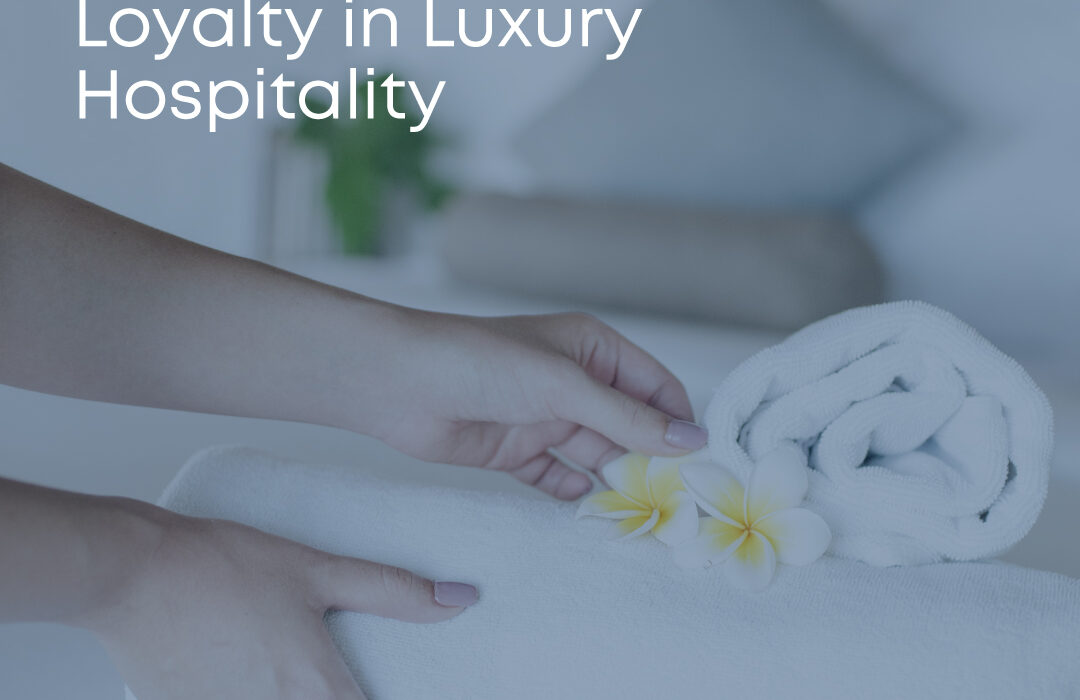
In hospitality, loyalty is shaped less by the size of a room or the list of amenities and far more by how a guest feels during their stay. People return to places where they feel understood and genuinely cared for. They remember the staff who made them feel comfortable and the small touches that made their visit easier. In many cases, emotional connection becomes just as important as the physical experience itself.
As hospitality experts at COLUMBIA signature, we pay close attention to how these relationships develop and focus on creating moments that help guests form a lasting bond with the teams who look after them. When a stay feels personal in an honest, uncomplicated way, guests are far more likely to return and to speak warmly about their experience long afterwards.
The first conversation matters
A guest’s first interaction sets the tone for everything that follows. A genuine welcome after a long journey, someone remembering their name, or a member of staff taking a moment to ask about the reason for their visit can immediately shift the atmosphere.
These moments do not need to be elaborate. What guests respond to most is sincerity. When the check-in feels calm and authentic. it sends a clear signal that their stay is being treated with care rather than as a basic transaction.
Understanding the individual
Personalisation in luxury hospitality has moved well beyond standard preferences. Today, it centres on understanding how each guest prefers to spend their time. Some enjoy conversation and recommendations, while others value quiet, discreet service. Some want guidance on how to make the most of their stay, while others simply want solace and privacy.
Staff who read these cues sensitively are able to adapt without making the experience feel engineered. A guest who mentions an interest in local culture may appreciate hearing about a nearby exhibition. Someone travelling for a celebration may welcome a small gesture waiting in their room. These touches work because they come from observation rather than rigid routine.
Everyday interactions that feel genuine
Emotional loyalty develops gradually, through the everyday interactions that unfold during a stay. This could be a friendly greeting each morning or someone remembering how a guest likes their coffee.
These are small interactions, but they create a sense of ease and familiarity. They make a guest feel comfortable in an environment that could otherwise feel formal or unfamiliar. When service feels natural instead of rehearsed, it helps guests settle in and enjoy their surroundings with far less effort.
Thoughtful gestures that stay in memory
Special occasions give staff an opportunity to deepen the connection even further. Preparing a room in advance for an anniversary or birthday adds warmth and thoughtfulness to the experience. Flowers, a favourite treat after dinner, or a brief note left on the bedside table can make a personal moment feel even more meaningful.
Guests remember these gestures because they feel considered rather than extravagant, and this memory stays with them long after they have returned home.
The power of advocacy
Guests who feel genuinely cared for tend to share their experiences with others. They return not because of incentives, but because they trust the people they have met and feel a sense of attachment. When they recommend a stay to someone else, the motivation comes from emotion, not promotion.
In luxury hospitality, this type of advocacy is especially powerful. Guests expect high standards, but what they speak about most is warmth and authenticity. A recommendation built on real feeling carries far more weight than any planned campaign.
A signature approach to loyalty
At COLUMBIA signature, loyalty is built through attention and genuine human connection. It comes from natural conversations, thoughtful touches and an understanding of what each guest needs to feel at ease. The aim is to offer a stay where service feels personal without being overwhelming and where guests sense they are being welcomed as individuals rather than as room numbers.