
In recognition of World Environment Day on 5 June
As we mark World Environment Day on 5 June, a global initiative that encourages awareness and action for the protection of our environment, it’s important to reflect on how industries around the world are transforming their operations for a greener future. The cruise industry, long associated with luxury and indulgence, is stepping up to meet the call for sustainability. Here, the hospitality experts at COLUMBIA signature share some of the ways that cruise lines are innovating their food and beverage (F&B) operations to reduce environmental impact, from smarter sourcing to zero-waste cocktails.
Smart solutions to minimise food waste
One of the most pressing environmental concerns in the hospitality industry is food waste. Cruise lines are tackling this head-on with the help of digital tools. COLUMBIA signature, the premium leisure and hospitality group within the COLUMBIA blue integrated leisure services company, has successfully introduced Generation Waste’s innovative analytics platform onboard the luxury cruise ship, AROYA, significantly reducing food waste. Similar initiatives throughout the cruise industry use AI and smart kitchen scales to track and reduce food waste in real time. Predictive analytics can adjust food production to guest demand, helping to avoid surplus. Leftovers don’t go to waste either as many vessels now use biodigesters or waste-to-energy systems to convert food scraps into usable onboard energy or compost. These measures not only lower emissions but also align with growing guest expectations for responsible tourism.
A greener menu: Plant-based and sustainable choices
Cruise passengers are no longer just looking for indulgence, they’re also seeking wellness and sustainability on their plates. This demand has led cruise operators to embrace plant-based and responsibly sourced menus.
Some cruise ships include entirely plant-based dining venues, while other cruise operators have introduced hundreds of plant-based menu items across their fleets. This transition to lower-impact food options supports health-conscious travellers and significantly reduces the environmental footprint of food service operations.
Another step that cruise ships are taking is ensuring that seafood offerings are sourced from responsibly managed and sustainable operations. This not only protects marine biodiversity but also builds transparency and trust with guests.
Sustainable sipping: Innovation in beverage service
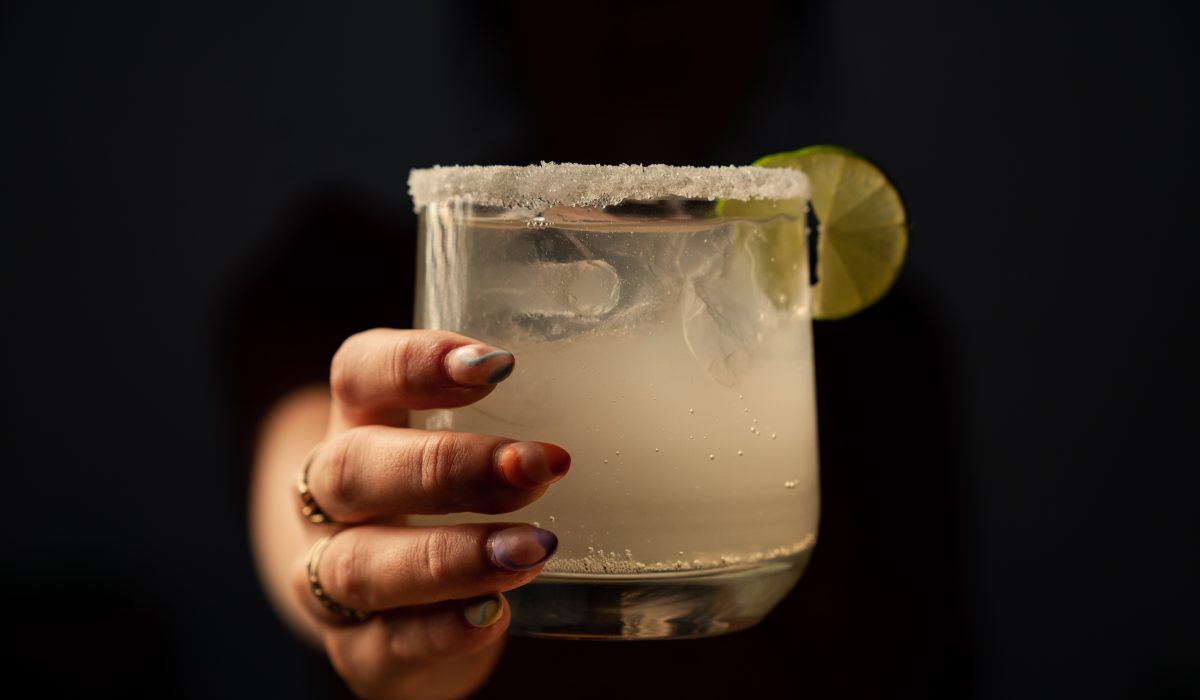
Sustainability doesn’t have to stop at the plate. Cruise lines are also finding creative ways to rethink the bar menu as well. Cruise lines are introducing a zero-waste approach, crafting cocktails from upcycled ingredients such as banana peel syrup or citrus scraps. Some mixologists are even using glacial ice, harvested under strict environmental guidelines, adding a unique and environmentally conscious element to their drinks.
In addition to sustainable sourcing, many cruise lines have also invested in water purification systems to eliminate the need for single-use plastic bottles. By providing filtered water and reusable glass bottles in cabins and dining areas, cruise ships are dramatically cutting down on plastic waste.
Local sourcing for a global impact
Another trend reshaping F&B practices at sea is local and regional sourcing. By purchasing fresh ingredients from ports of call and nearby suppliers, cruise lines not only boost local economies but also reduce emissions linked to long-haul transportation. Offering menus that reflect the flavours of each destination is a way of creating a more immersive and eco-conscious dining experience.
COLUMBIA signature at the forefront
The hospitality experts at COLUMBIA signature recognise that sustainability must be embedded into every layer of operations, including the hospitality services provided onboard. The entire COLUMBIA blue integrated services platform supports cruise partners in training crew on food waste prevention, implementing smart provisioning systems, and auditing supply chains to favour local and sustainable sourcing.
Our goal is to align high-quality guest experiences with operational responsibility because taking care of the planet is as important as taking care of our passengers.