
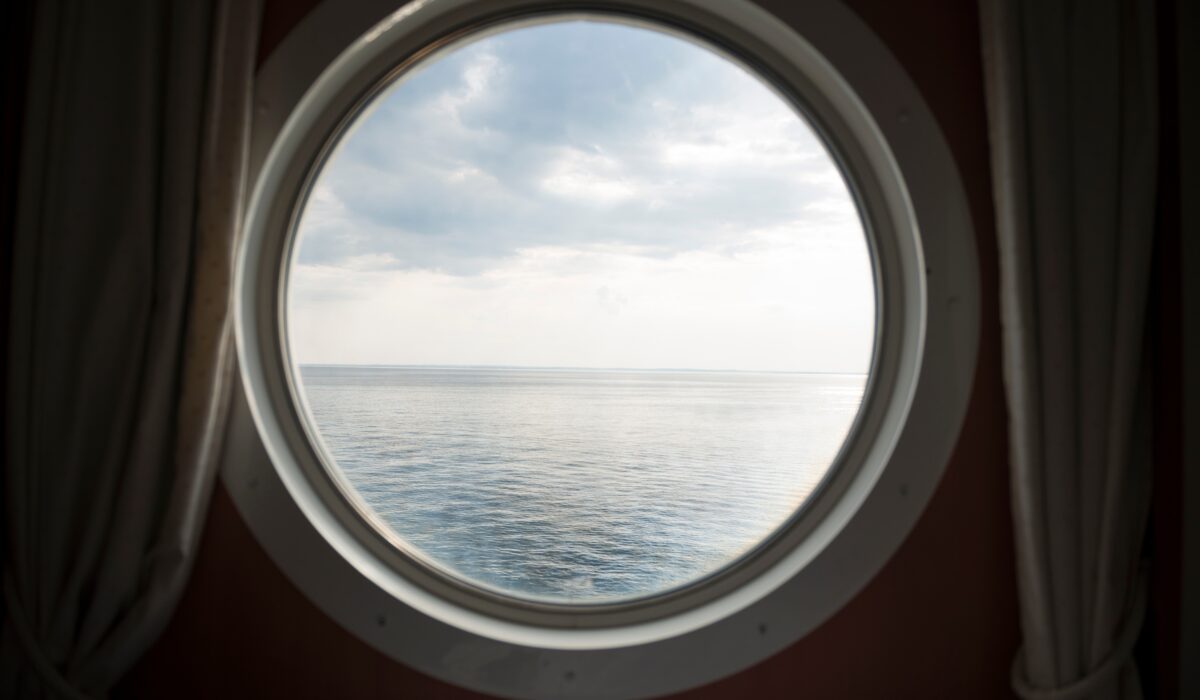
The cruise industry, long admired for its entrée to luxury, adventure, and relaxation, is now embracing a new facet: sustainability. With the concerns of the more environmentally conscious traveller, cruise lines are taking significant steps to minimise their environmental footprint. As hospitality experts, at COLUMBIA signature we know the important role that hotel operations will play in helping cruise lines address sustainability with the right approach to dining, waste management, and energy efficiency.
Recent progress has been made by cruise lines investing heavily in energy-efficient technologies to reduce fuel consumption and carbon emissions. Many ships now incorporate LED lighting, smart climate control systems, and heat recovery technologies. Additionally, some cruise operators are experimenting with alternative energy sources for vessel propulsion such as liquefied natural gas (LNG) and solar panels to reduce reliance on traditional marine fuels.
With thousands of guests and crew members on board, water conservation is a major concern. Cruise ships are implementing advanced water purification and desalination systems to ensure a sustainable water supply. Wastewater treatment systems are also improving, allowing ships to filter and purify wastewater before safely releasing it into the ocean, often exceeding international environmental regulations.
Managing waste at sea also requires innovative solutions. Cruise lines have implemented comprehensive recycling programmes, aiming to minimise landfill waste by sorting and processing glass, plastics, paper, and metals onboard. Some ships are even turning food waste into biofuel or composting it to reduce overall waste production.
Hospitality remains key and sustainability plays a crucial role in sourcing seafood from sustainable fisheries and partnering with local farmers to provide fresh, ethically sourced ingredients. Additionally, efforts to minimise food waste and recycling include reducing single-use plastics as well as strategies for portion control strategies and food donation programmes at port destinations.
From biodegradable toiletries to eco-friendly cleaning products, cruise lines are introducing a range of initiatives including linen and towel reuse programmes, paperless check-ins, and digital concierge services to help reduce waste and energy consumption. Some luxury cruise ships are even exploring carbon-neutral options for guest accommodations, such as sustainably sourced materials and efficient HVAC systems.
Despite these positive operational advances, cruise ship hotel operations face several challenges in becoming fully sustainable. These include:
- Regulatory Compliance: Cruise lines must navigate complex international environmental regulations, which vary by region and port.
- Infrastructure Limitations: While sustainability technologies exist, retrofitting older ships can be costly and technically challenging.
- Guest Expectations: Many travellers expect high-end amenities, which can sometimes conflict with sustainability efforts. Cruise lines must find ways to balance luxury with eco-friendly practices.
- Supply Chain and Logistics: Sourcing sustainable materials and food supplies while ensuring freshness and quality at sea remains a logistical challenge.
The cruise industry is making significant advances in its bid to become more sustainable, and innovation is continuous. Advances in hybrid propulsion, waste-to-energy systems, and stronger collaboration with environmental organisations will shape the future of cruise hospitality. Guests, too, play a crucial role by choosing responsible travel options and supporting sustainability initiatives on board.
By embracing eco-conscious practices, cruise lines hope to not only protect the planet but also ensure that future generations can enjoy the wonders of the sea. As sustainability becomes a priority, the industry is setting sail toward a greener, more responsible future.