Ensuring food safety and maintaining high hygiene standards are paramount in maritime food services on cruise ships and superyachts due to the close quarters and potential for health risks. As hospitality experts, COLUMBIA signature knows the importance of focusing on safety and hygiene in every stage of food handling, preparation, and serving to guests. In this blog, we explore some of the food handling and hygiene protocols commonly followed.
Hygiene First
Cleanliness for people and equipment is the first rule for food safety. Crew and staff are ultra aware of the importance of regular hand washing with soap and water before handling raw food, during food preparation, and when serving food. Cruise ships will conduct regular health checks to ensure staff are fit for duty and free from contagious illnesses. Equally important is regular cleaning and sanitisation of all food preparation and handling equipment, including knives, cutting boards, and utensils and ensuring that separate cutting boards and utensils are used for raw and cooked foods. This extends to regular cleaning and disinfection of food preparation areas, surfaces, and dining areas and the use of appropriate sanitisers and disinfectants approved for use in food service areas.

Food Storage
Cruise ships and superyachts have carefully designed galleys to accommodate proper storage of perishable food items in refrigerators and freezers at appropriate temperatures to prevent spoilage. Labelling and dating of food items ensures proper rotation and usage within safe time frames.

Food Safety Training
All crew involved in food handling undergo comprehensive food safety training programmes, including courses on personal hygiene, food handling procedures, and sanitation practices. There is also adherence to HACCP (Hazard Analysis and Critical Control Points), with implementation of HACCP plans to identify and control potential hazards in food handling processes. Monitoring of critical control points is carried out to ensure food safety throughout the supply chain, from procurement to service.
Supplier Quality Assurance
Rigorous supplier vetting ensures that food products meet quality and safety standards. In addition, regular inspections and audits of suppliers are conducted to verify compliance with food safety regulations.
Medical Facilities And Quarantine Protocols
On large cruise ships, onboard medical facilities have trained medical staff to handle foodborne illnesses or outbreaks; on smaller vessels, there will be a Captain or crew who has completed medical training. The medical staff will implement quarantine procedures in case of suspected foodborne illnesses to prevent the spread of infections.
Waste Management
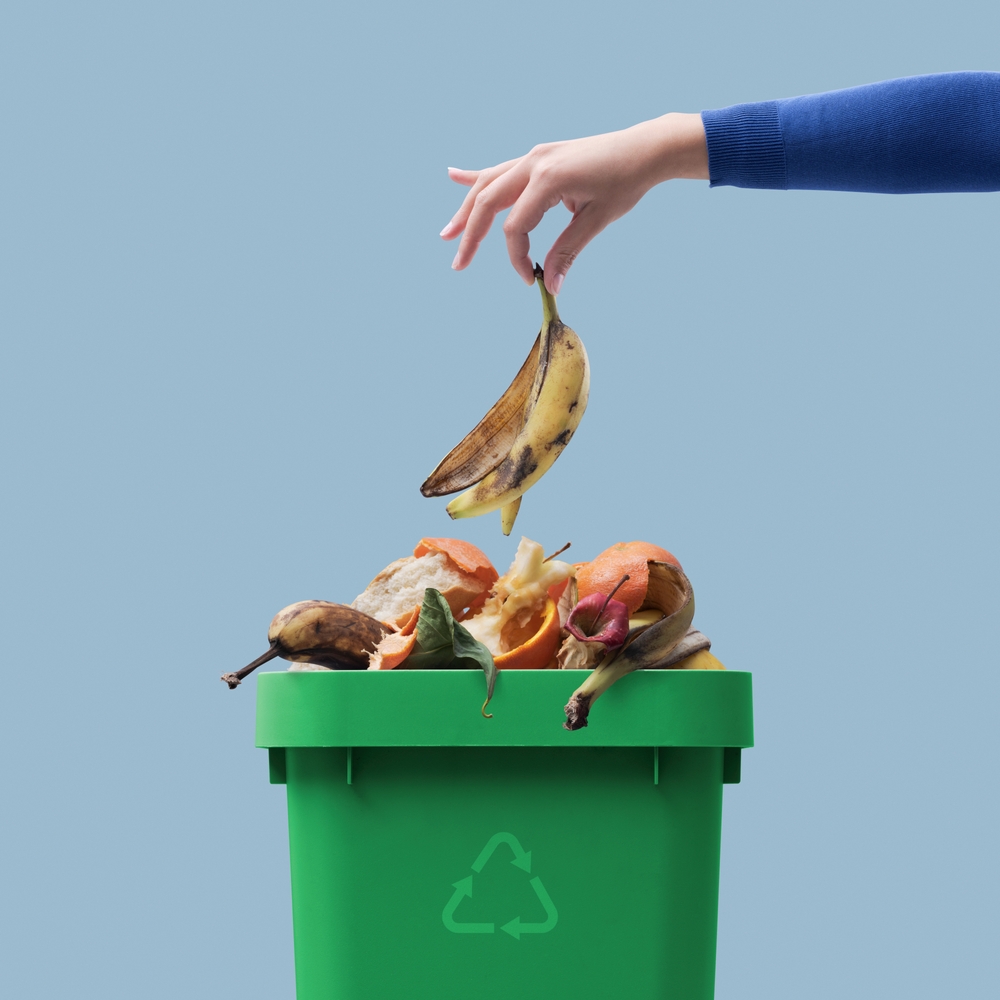
Another key aspect of food safety on a vessel is proper disposal of food waste to prevent contamination and attract pests. This process typically includes separation of different types of waste and recycling where possible.
Regulatory Compliance
All food safety processes on a vessel are done in adherence to international maritime regulations and standards, including those set by the International Maritime Organization (IMO) and the World Health Organization (WHO). In addition, because cruise ships and superyachts are traveling from port to port, they must also comply with specific food safety regulations of the flag state and port authorities.
With many protocols and regulations for maritime food service in place, cruise ship and superyacht operators work hard to ensure the safety and well-being of passengers and crew while providing high-quality dining experiences.